



IL-8
IL-8/CXCL8 is a CXC chemokine produced during inflammation that activates neutrophils, inducing chemotaxis, exocytosis, respiratory burst, and neutrophil accumulation in vivo[1]. Mechanistically, IL-8 acts through CXCR1/CXCR2 to control target-cell adhesion, migration, and function, while downstream signaling supports actin remodeling, calcium mobilization, granule exocytosis, and respiratory burst[2]. In inflammatory and cancer contexts, the CXCL8-CXCR1/2 axis participates in inflammatory mediator trafficking, tumor progression, metastasis, and diseases including COPD, asthma, cystic fibrosis, and cancer[3]. Compared with related ELR+ CXC chemokines, IL-8 is distinguished by dual activation of CXCR1 and CXCR2, whereas CXCR2 also recognizes CXCL1, CXCL2, CXCL3, CXCL5, CXCL6, and CXCL7[4]. CXCL8 monomers and dimers differentially regulate CXCR1 and CXCR2, supporting receptor-selective experimental designs for neutrophil recruitment and cytotoxic activity studies[4]. For experimental applications, noncompetitive allosteric CXCR1/CXCR2 inhibitors block inflammatory CXCL8 receptor signaling, and CXCL8-derived antagonists can reduce neutrophil infiltration in inflammatory models[5][6].
References:
- [1]. Baggiolini M, et al. Interleukin-8, a chemotactic and inflammatory cytokine. FEBS Lett. 1992 Jul 27;307(1):97-101. [Content Brief]
- [2]. Matsushima K, et al. Interleukin-8: An evolving chemokine. Cytokine. 2022 May;153:155828. [Content Brief]
- [3]. Ha H, et al. Role of the CXCL8-CXCR1/2 Axis in Cancer and Inflammatory Diseases. Theranostics. 2017 Apr 7;7(6):1543-1588. [Content Brief]
- [4]. Nasser MW, et al. Differential activation and regulation of CXCR1 and CXCR2 by CXCL8 monomer and dimer. J Immunol. 2009 Sep 1;183(5):3425-32. [Content Brief]
- [5]. Bertini R, et al. Noncompetitive allosteric inhibitors of the inflammatory chemokine receptors CXCR1 and CXCR2: prevention of reperfusion injury. Proc Natl Acad Sci U S A. 2004 Aug 10;101(32):11791-6. [Content Brief]
- [6]. Gordon JR, et al. The combined CXCR1/CXCR2 antagonist CXCL8(3-74)K11R/G31P blocks neutrophil infiltration, pyrexia, and pulmonary vascular pathology in endotoxemic animals. J Leukoc Biol. 2005 Dec;78(6):1265-72. [Content Brief]
-
IL-8 Related Products (105)
Related Products (105)

-
Recombinant Proteins (16)
-
Methotrexate
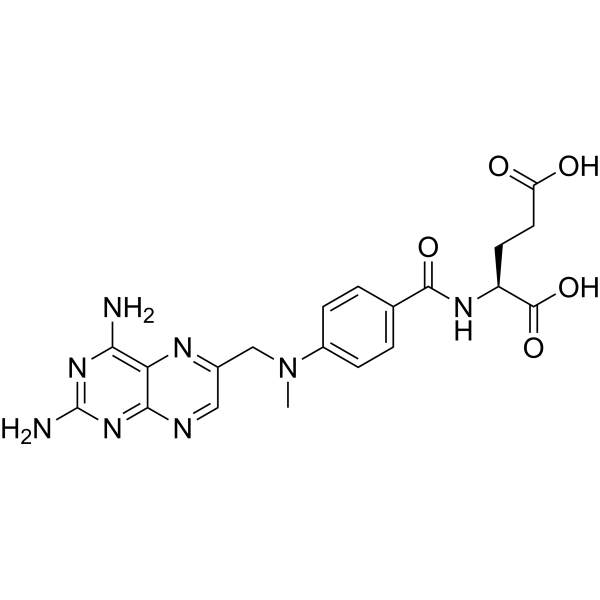 0 ImagesMethotrexate (Amethopterin; CL14377; WR19039) is an orally active antifolate (Antifolate). Methotrexate inhibits dihydrofolate reductase (DHFR), blocks tetrahydrofolate production, suppresses purine/pyrimidine synthesis and transmethylation, and causes intracellular accumulation of AICAR. Methotrexate promotes extracellular adenosine release, regulates the cytokine network, and inhibits the alarmin function of HMGB1. Methotrexate induces apoptosis and cytotoxicity, upregulates the expression of iNOS and COX-2, suppresses hippocampal neurogenesis, and induces pulmonary fibrosis. Methotrexate is used in the research of various immune and inflammation-related diseases such as arthritis, psoriasis, systemic lupus erythematosus, as well as pulmonary fibrosis and breast cancer.
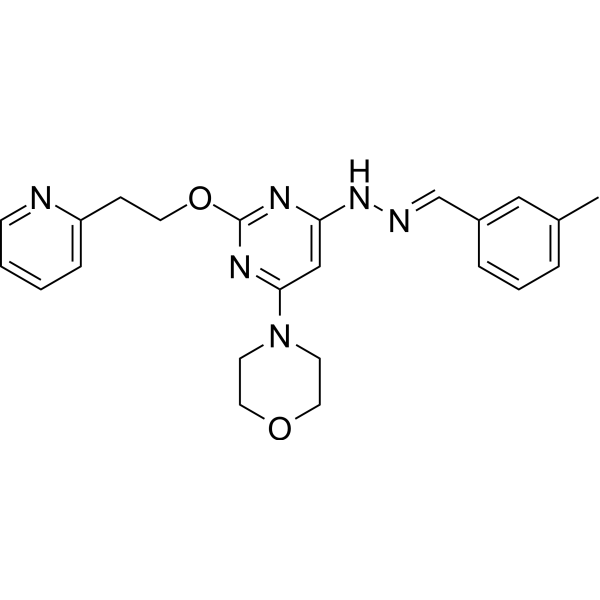
-
Fibrinogen (Bovine)
 0 ImagesFibrinogen (Bovine) is a selective proteolytic molecule that can be activated by thrombin to assemble fibrin clots. Fibrinogen can regulate the activation of NF-KB in endothelial cells and upregulate the expression of inflammatory chemokines MCP-1 and MCP-1. Fibrinogen plays a key role in blood clotting, thrombosis, atherosclerosis and the pathological development of venous grafts, and can be used in the study of blood clotting and vascular diseases.
-
Methotrexate disodium
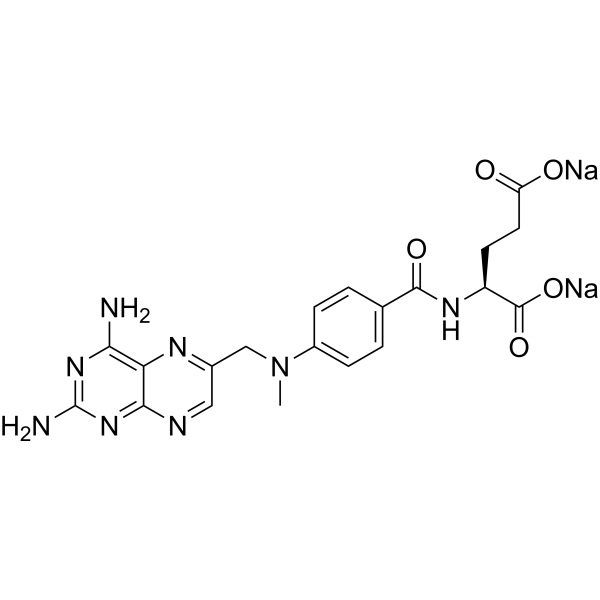 0 ImagesSynonyms: Amethopterin disodium; CL14377 disodium; WR19039 disodiumMethotrexate disodium (Amethopterin disodium; CL14377 disodium; WR19039 disodium) is an orally active antifolate (Antifolate). Methotrexate disodium inhibits dihydrofolate reductase (DHFR), blocks tetrahydrofolate production, suppresses purine/pyrimidine synthesis and transmethylation, and causes intracellular accumulation of AICAR. Methotrexate disodium promotes extracellular adenosine release, regulates the cytokine network, and inhibits the alarmin function of HMGB1. Methotrexate disodium induces apoptosis and cytotoxicity, upregulates the expression of iNOS and COX-2, suppresses hippocampal neurogenesis, and induces pulmonary fibrosis. Methotrexate disodium is used in the research of various immune and inflammation-related diseases such as arthritis, psoriasis, systemic lupus erythematosus, as well as pulmonary fibrosis and breast cancer.
-
JTE-607
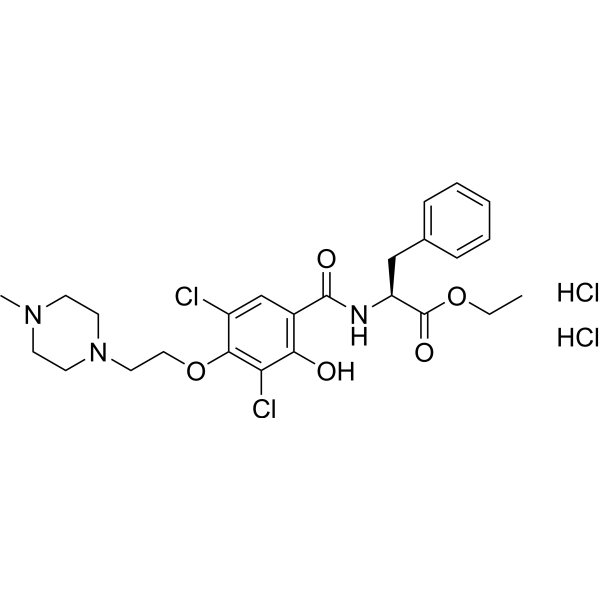 0 ImagesJTE-607, a highly selective inflammatory cytokine synthesis inhibitor, protects from endotoxin shock in mice. JTE-607 inhibits inflammatory cytokine production, including TNF-α, IL-1β, IL-6, IL-8 and IL-10, from LPS-stimulated human PBMCs, with IC50s of 11, 5.9, 8.8, 7.3 and 9.1 nM, respectively. Cleavage and Polyadenylation Specificity Factor 3 (CPSF3) is the target of JTE-607.
-
Methotrexate hydrate
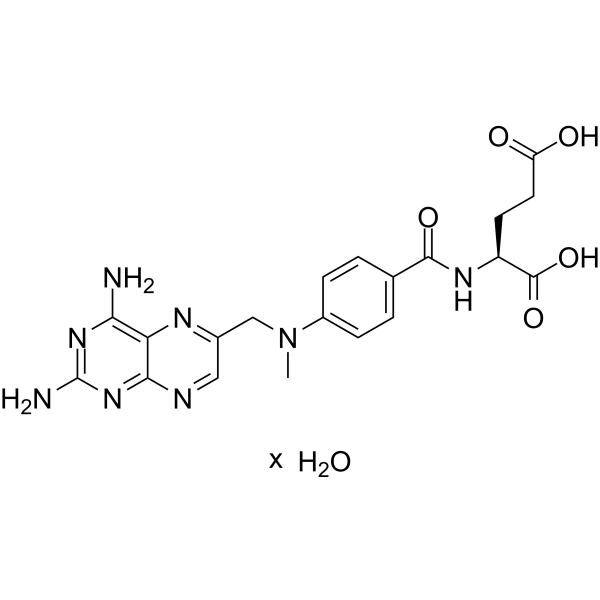 0 ImagesSynonyms: Amethopterin hydrate; CL14377 hydrate; WR19039 hydrateMethotrexate hydrate (Amethopterin hydrate; CL14377 hydrate; WR19039 hydrate) is an orally active antifolate (Antifolate). Methotrexate hydrate inhibits dihydrofolate reductase (DHFR), blocks tetrahydrofolate production, suppresses purine/pyrimidine synthesis and transmethylation, and causes intracellular accumulation of AICAR. Methotrexate hydrate promotes extracellular adenosine release, regulates the cytokine network, and inhibits the alarmin function of HMGB1. Methotrexate hydrate induces apoptosis and cytotoxicity, upregulates the expression of iNOS and COX-2, suppresses hippocampal neurogenesis, and induces pulmonary fibrosis. Methotrexate hydrate is used in the research of various immune and inflammation-related diseases such as arthritis, psoriasis, systemic lupus erythematosus, as well as pulmonary fibrosis and breast cancer.
-
Benzbromarone
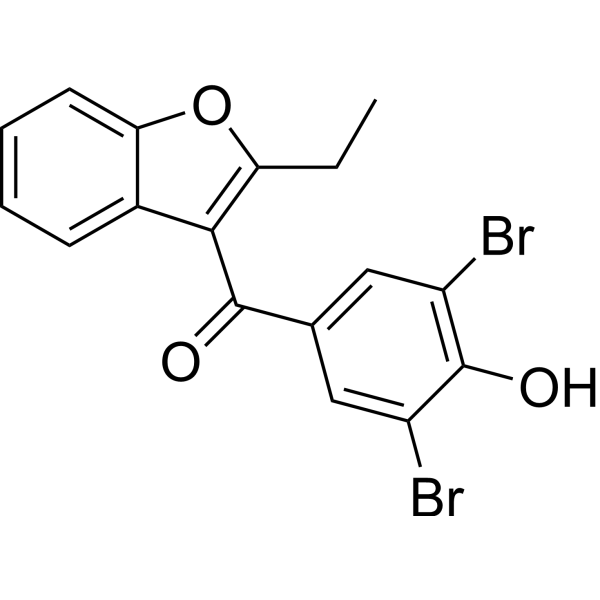 0 ImagesBenzbromarone is an orally active anti-gout agent. Benzbromarone has anti-infammatory, anti-oxidative stress and nephroprotective effects. Benzbromarone can be used for the research of hyperuricemia and gout.
-
Apilimod mesylate
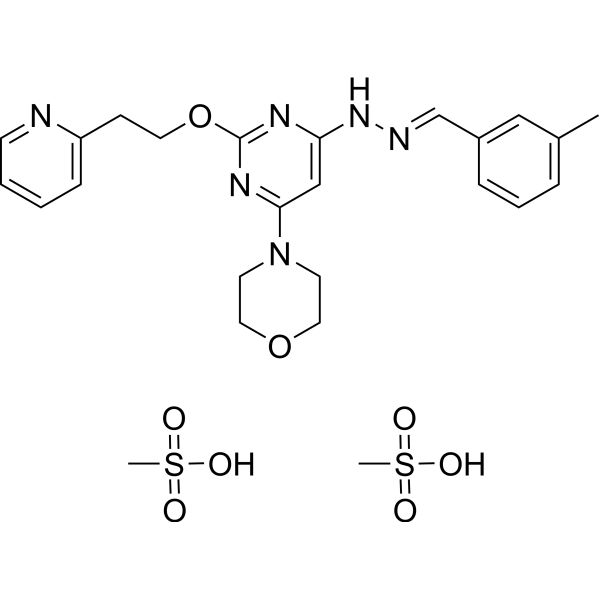 0 ImagesSynonyms: STA 5326 mesylate; LAM-002A; AIT-101 mesylate
-
Diallyl Trisulfide
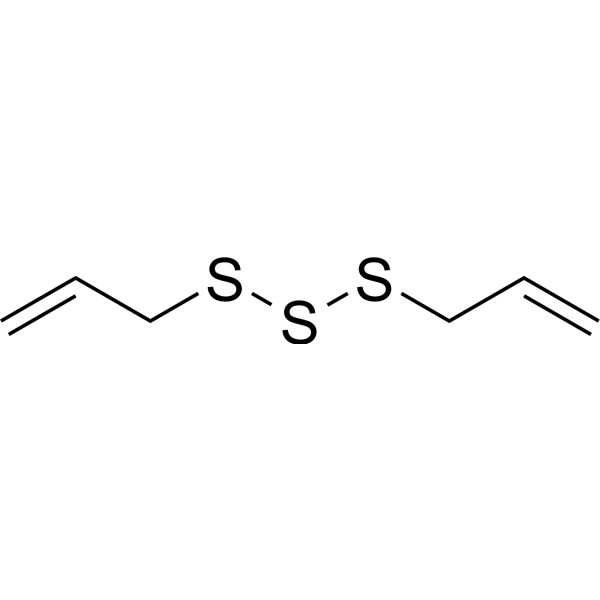 0 ImagesDiallyl Trisulfide is an orally active anticancer agent that can be isolated from garlic. Diallyl Trisulfide has the ability to induce apoptosis and exhibits anticancer, anti-inflammatory, antioxidant, and antibacterial activities. Diallyl Trisulfide can be used to study a variety of cancers, including liver, colon and prostate cancer.
-
AF12198
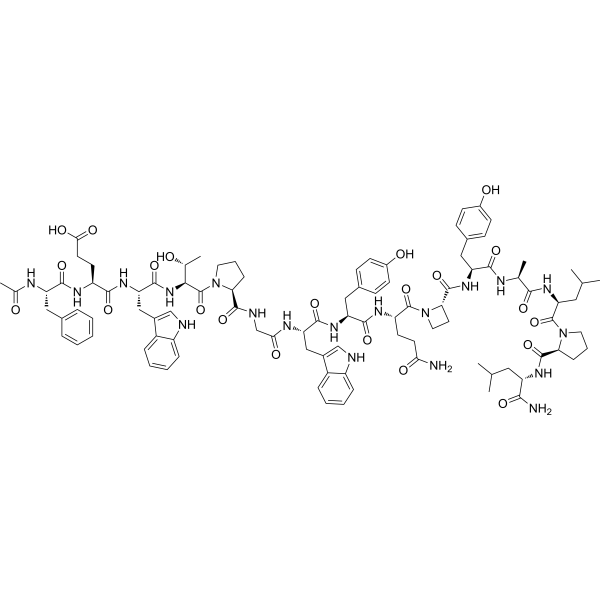 0 ImagesAF12198 is a potent, selective and specific peptide antagonist for human type I interleukin-1 receptor (IL1-R1) (IC50=8 nM) but not the human type II receptor (IC50=6.7 µM) or the murine type I receptor (IC50>200 µM). AF12198 inhibits IL-1-induced IL-8 production (IC50=25 nM) and IL-1-induced intercellular adhesion molecule-1 (ICAM-1) expression (IC50=9 nM) in vitro. AF12198 has anti-inflammatory activities and blocks responses to IL-1 in vivo.
-
Lipoxin A4
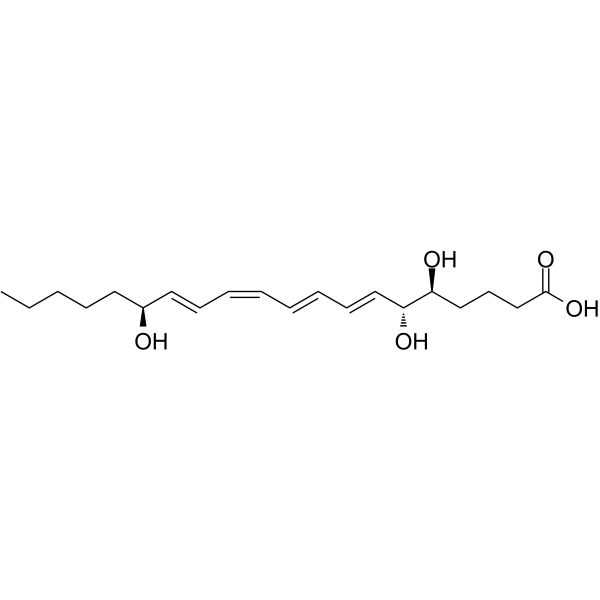 0 ImagesSynonyms: LXA4Lipoxin A4 (LXA4), an endogenous lipoxygenase-derived eicosanoid mediator, has potent dual pro-resolving and anti-inflammatory properties. Lipoxin A4 inhibits proliferation and inflammatory cytokine/chemokine production of human epidermal keratinocytes (NHEKs) associated with the ERK1/2 and NF-kB pathways. Lipoxin A4 inhibits serum amyloid A (SAA)-mediated IL-8 release with an IC50 value of 25.74 nM.
-
Adakitug
 0 ImagesSynonyms: BMS-986253; HuMax-IL-8Adakitug (BMS-986253) is a CHO-expressed human antibody targeting CXCL8/IL-8. Adakitug contains huIgG1 heavy chain and huκ light chain, with a predicted molecular weight (MW) of 144.94 kDa. The isotype control for Adakitug can refer to Human IgG1 kappa, Isotype Control (HY-P99001). Adakitug exhibits anti-tumor activity and can be applied in tumor research.
-
Epinastine
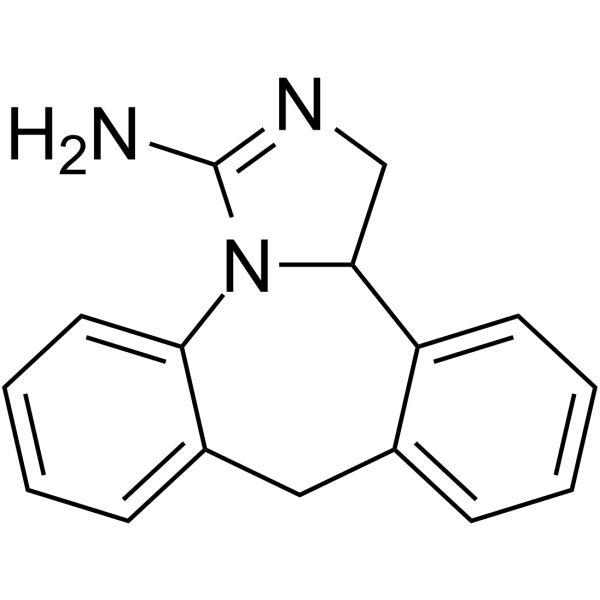 0 ImagesSynonyms: WAL801Epinastine (WAL801) is a selective and orally active histamine H1 receptor antagonist, CD96/PVR inhibitor and mast cell stabilizer. Epinastine has high affinity for neuronal octopamine receptors in locusts (Ki = 2 nM) and honeybees (Ki = 1.1 nM). Epinastine hydrochloride inhibits TARC, IL-8, and IL-4. Epinastine activates anti-colon cancer immunity and inhibits Substance P (HY-P0201)-induced scratching behavior and increased vascular permeability. Epinastine can be used in the research of allergic diseases.
-
Tomaralimab
 0 ImagesSynonyms: OPN-305Tomaralimab (OPN-305) is a humanized anti-TLR2 IgG4 monoclonal antibody. Tomaralimab inhibits TLR2, MyD88, NLRP3, and reduces pro-inflammatory cytokine (IL-1β, IL-6, IL-8) production. Tomaralimab reduces tau pathology. Tomaralimab improves cognition, atopic dermatitis. Tomaralimab has anticancer effects on pancreatic ductal adenocarcinoma. Tomaralimab is being studied in myelodysplastic syndrome (MDS), atopic dermatitis, pancreatic ductal adenocarcinoma, Alzheimer's disease, and myocardial ischemia/reperfusion injury.
-
Ganoderma lucidum polysaccharide
 0 ImagesCat. No.: HY-159059Ganoderma Lucidum/Reishi Extract is a Ganoderma lucidum extract. Ganoderma Lucidum/Reishi Extract reduces the expression of c-Myc, BCL-2, BCL-XL, TERT, PDGFB, eIF4G, Survivin, β-catenin, and eIF4E. Ganoderma Lucidum/Reishi Extract downregulates the gene expression of MMP-9. Ganoderma Lucidum/Reishi Extract upregulates the expression of IL8. Ganoderma Lucidum/Reishi Extract is applicable to the research of inflammatory breast cancer. Ganoderma Lucidum is used in the research of various diseases, such as allergy, arthritis, hypertension, neurasthenia, inflammation, and cancer.
-
Alisol A
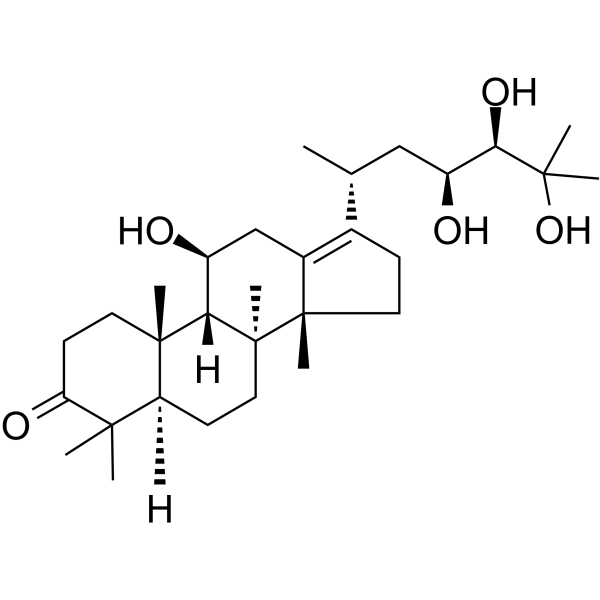 0 ImagesAlisol A is an orally active tetracyclic triterpenoid compound of the prototerpane type. Alisol A can be extracted from the rhizome of Alisma orientale. Alisol A activates AMPK/ACC/SREBP-1c, SIRT1, PPARα, inhibits MMP-2/-9, decreases inflammatory cytokine expression (IL-1β, IL-6, IL-8). Alisol A has anti-tumor activity against breast cancer and colorectal cancer. Alisol A has anti-obesity and anti-atherosclerotic activities. Alisol A can be used in the research of hepatitis B, breast cancer, colorectal cancer, atherosclerosis, and obesity.
-
TriDAP dihydrochloride
 0 ImagesCat. No.: HY-P5522APurity: 98.14%Synonyms: L-Ala-γ-D-Glu-meso-diaminopimelic acid dihydrochlorideTriDAP dihydrochloride (L-Ala-γ-D-Glu-meso-diaminopimelic acid dihydrochloride) is a NOD1 agonist with a Kd value of 34.5 μM. TriDAP dihydrochloride enhances the binding of NOD1-RICK, promotes RICK phosphorylation, and activates the NF-κB, TAK1, MEK/ERK, p38 and interferon response pathways. TriDAP dihydrochloride downregulates Runx2 via increasing ubiquitination and reduces trabecular bone parameters. TriDAP dihydrochloride decreases IκBα levels and increases p65 levels. TriDAP dihydrochloride induces the secretion of proinflammatory mediators IL-8 and prostaglandins, triggers tissue inflammation and innate immune activation, and inhibits SARS-CoV-2 replication in lung epithelial cells. TriDAP dihydrochloride increases the RANKL/OPG ratio in mice, reduces bone mass and enhances osteoclast activity, and inhibits new bone formation by decreasing the mineralization deposition rate in mice. TriDAP dihydrochloride can be used in research related to pulpitis, chronic ulcerative colitis, Crohn's disease and SARS-CoV-2 infection.
-
Nedocromil
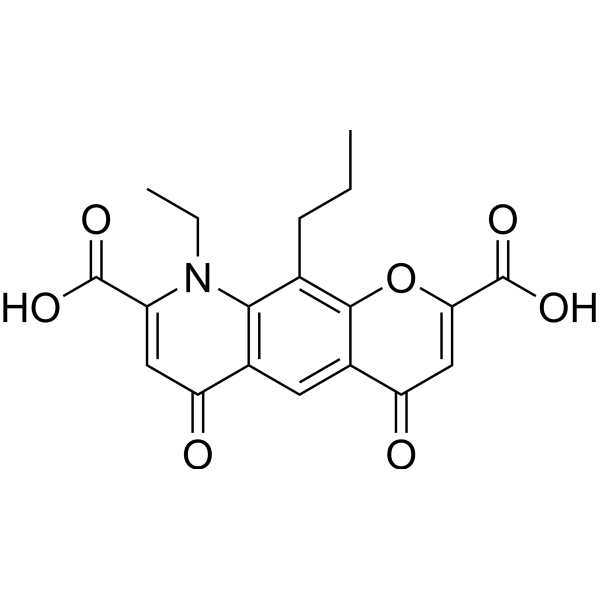 0 ImagesSynonyms: FPL 59002Nedocromil (FPL 59002) is a mast cell stabilizer and an inhibitor of IL-8 production. Nedocromil inhibits mast cell degranulation and collagen synthesis induced by activated mast cells, indirectly interfering with IL-1β signaling. Nedocromil reduces conjunctival eosinophil infiltration and improves the cutaneous manifestations of chronic graft-versus-host disease (including reducing fibrosis, loss of fat and hair follicles, and inflammatory infiltration). Nedocromil can be used in research on chronic graft-versus-host disease, asthma, and allergic conjunctivitis.




